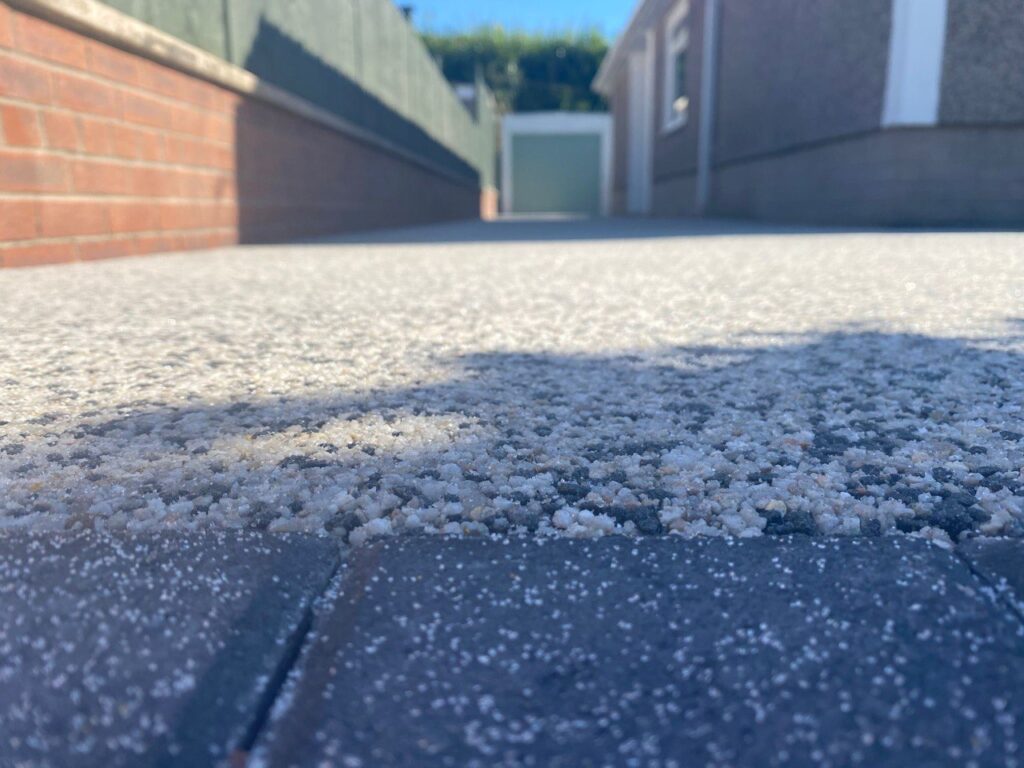
Why Is Tarmac an Effective Choice for Replacing a Broken Driveway?
A broken driveway can become increasingly difficult to use as cracks, potholes, loose materials and uneven sections spread across the surface. Water may collect in damaged areas, while repeated vehicle movements can place further pressure on already weakened sections.
Tarmac can be an effective replacement because it creates a smooth, continuous and durable surface suitable for regular domestic use. Its success, however, depends on identifying why the previous driveway failed and preparing the ground correctly before the new material is installed.
The Benefits of Replacing a Damaged Driveway With Tarmac
A tarmac driveway provides a firm surface without the numerous joints found in some paving systems. When installed over a stable base, it can distribute vehicle loads effectively and provide reliable access in different weather conditions.
Its practical benefits include:
- A smooth and consistent driving surface
- Suitability for driveways of various shapes and sizes
- Reliable support for regular vehicle movements
- Straightforward routine maintenance
- The ability to form suitable drainage falls
- A neat appearance around the property
- Compatibility with kerbs and contrasting edging
These qualities make tarmac particularly useful when an existing driveway has become uneven, fragmented or difficult to maintain.
The Cause of the Existing Damage Must Be Identified
Removing the broken surface does not automatically resolve the reason it failed. Cracking, sinking and potholes often begin with problems beneath the visible layer.
Common causes include:
- An insufficient or poorly compacted sub-base
- Weak or unsuitable ground
- Water entering the supporting layers
- Inadequate drainage
- Repeated pressure near unsupported edges
- Tree-root movement
- Construction that was unsuitable for the expected traffic
- Previous repairs placed over unstable material
A professional assessment should establish which of these factors contributed to the deterioration. This allows the replacement driveway to be designed around the site rather than simply covering the old defects.
Proper Ground Preparation Creates Stability
A durable tarmac driveway begins with a well-prepared formation and sub-base. Broken surfacing and unsuitable materials should be removed so that the underlying ground can be inspected.
Any soft spots or unstable sections must be addressed before a suitable aggregate sub-base is installed and thoroughly compacted. This layer distributes loads and helps prevent movement within the tarmac above.
If preparation is inconsistent, the new driveway may eventually develop depressions, cracks or uneven areas in the same locations as the previous surface. Investing care in the supporting construction is therefore essential to long-term performance.
Tarmac Provides a Smooth, Continuous Finish
A badly damaged driveway may contain abrupt changes in level, loose fragments and numerous patched areas. Replacing it with tarmac creates a more uniform surface for vehicles and pedestrians.
The continuous finish can make it easier to:
- Drive and park without avoiding potholes
- Move bins, bicycles and garden equipment
- Sweep away leaves and loose debris
- Identify any future surface changes
- Maintain a consistent route from the entrance to the property
Tarmac can also follow gentle curves and gradients, allowing it to suit driveways that are not perfectly straight or level.
Drainage Can Be Corrected During Replacement
Standing water is both an inconvenience and a warning sign. It may indicate that the driveway has settled, its falls are ineffective or drainage points are blocked or absent.
Replacing the driveway provides an opportunity to reassess levels across the entire area. Suitable falls can direct rainwater towards appropriate drainage features rather than allowing it to collect on the surface or reach vulnerable edges.
Planning should take account of:
- The natural slope of the ground
- Existing low points
- Water arriving from nearby surfaces
- The position of the property
- Driveway entrances and adjoining paths
- Suitable locations for channels or outlets
Effective water management helps protect the new tarmac and the supporting layers beneath it.
Strong Edges Help Prevent Surface Breakdown
Tarmac edges can deteriorate if they are left unsupported or repeatedly driven over. This is particularly common where the driveway meets a lawn, border or loose ground.
Secure kerbs or other suitable edging help contain the construction and protect the perimeter. They can also define the shape of the driveway and create a tidy transition to surrounding garden areas.
The layout should provide enough usable width for normal vehicle movements. Where tyres repeatedly cross the same vulnerable corner, even a well-laid surface may be placed under unnecessary pressure.
Tarmac Is Straightforward to Maintain
A tarmac driveway generally requires uncomplicated routine care. Sweeping away debris and keeping drainage channels clear can help water leave the surface effectively.
Small cracks, localised settlement or crumbling edges should be assessed before they spread. Prompt attention can sometimes prevent an isolated problem from affecting a wider section.
Oil, fuel and other chemicals should also be cleared appropriately, as some substances can weaken the binder within the surface.
Is Tarmac Suitable for Every Broken Driveway?
Tarmac is highly practical, but its suitability depends on ground conditions, drainage, access and intended use. It may not be the preferred option where a highly decorative or intricately patterned finish is the main priority.
The decision should be based on how the driveway will be used and what caused the existing surface to fail. At Uckfield Driveways, we assess the ground, drainage and expected vehicle movements before recommending an appropriate construction.
Conclusion
Tarmac is an effective choice for replacing a broken driveway because it creates a smooth, durable and practical surface for regular use. It can also be shaped to suit different layouts and installed with improved drainage and secure edge support.
Its long-term performance depends on correcting the weaknesses beneath the old driveway rather than simply covering them. If your driveway in Uckfield, East Sussex, has become cracked, uneven or difficult to use, contact Uckfield Driveways to arrange a professional assessment and discuss whether tarmac is suitable for your property.
Call us on: 01825 705 496
Click here to find out more about Uckfield Driveways
Click here to complete our contact form and see how we can help with your driveway needs.